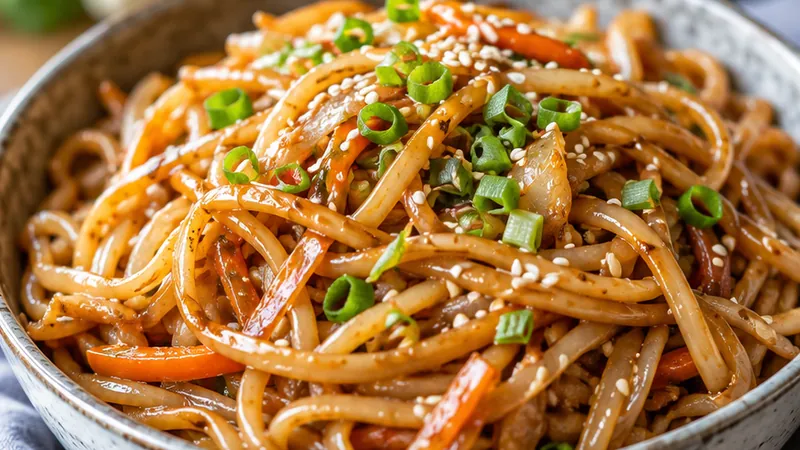
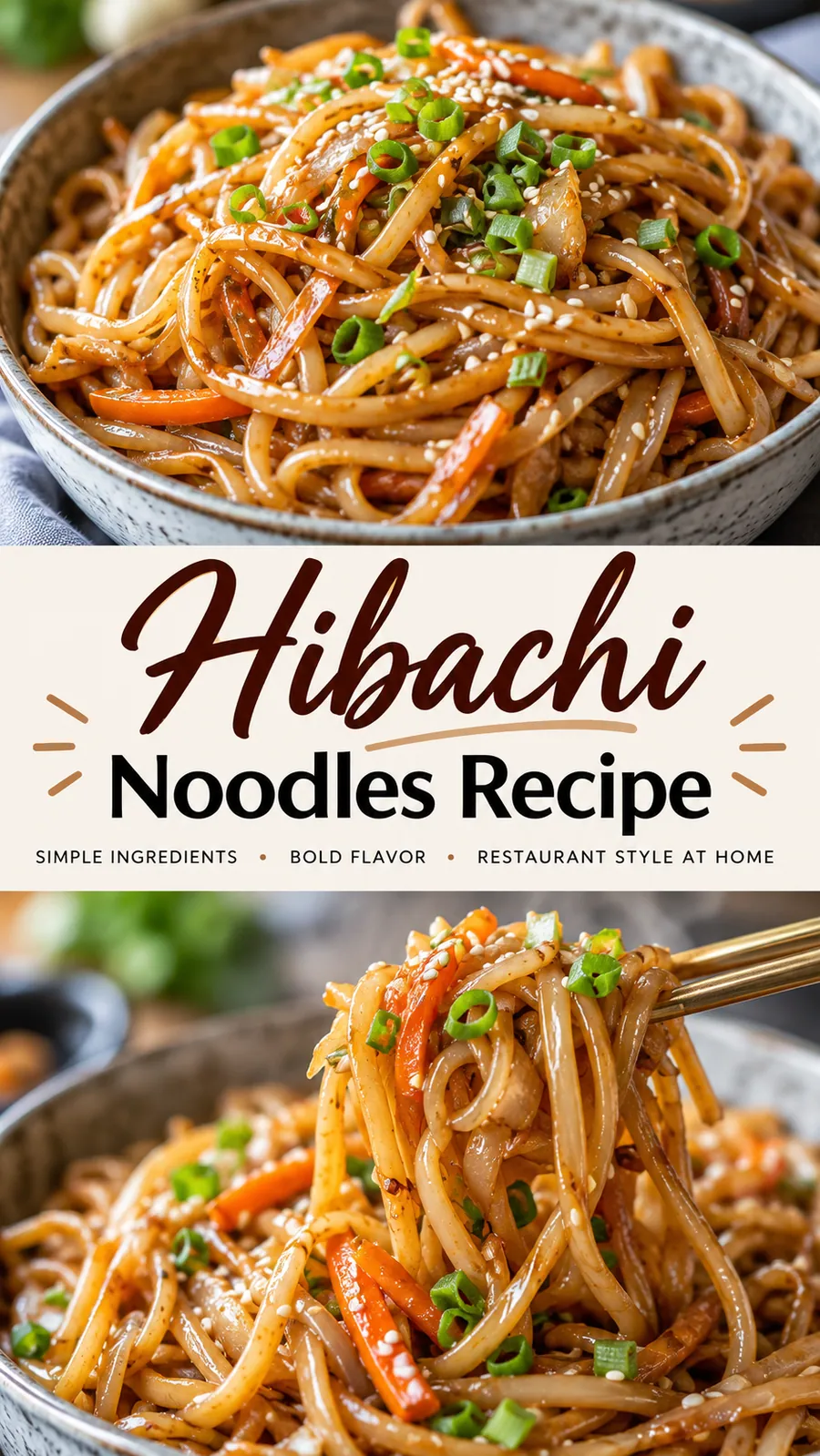
Imagine the buttery aroma of noodles hitting a hot pan, the gentle sizzle of chicken and colorful vegetables, and the glossy sheen of a savory sauce tying everything together. This Hibachi Noodles recipe brings that lively street‑side vibe to your kitchen with simple ingredients and straightforward steps.
You might want to whip this up for a quick weeknight dinner when you are craving something satisfying but not overly fussy, or for a casual weekend feast that feels like a special night out without the restaurant bill.
 Save
SaveThe first time I made it, I could not believe how a few humble ingredients could transform into such a flavorful, crowd pleasing dish. It is the kind of recipe you can tweak with your favorite veggies or protein, and it almost always disappears from the table in minutes.
Hibachi Noodles Recipe
Ingredients
Noodles and Protein
Vegetables
Sauce
Finishing and Serve
Instructions
- Prep the noodles and chicken
Cook the egg noodles according to the package instructions until just tender, drain, rinse with cold water, and toss with 1/2 tablespoon of soy sauce and a drizzle of sesame oil to prevent sticking. Pat the chicken strips dry, season lightly with salt and pepper, then mix with 1/2 tablespoon soy sauce, ginger, and a pinch of black pepper.
- Make the hibachi sauce
In a small bowl, whisk together oyster sauce, soy sauce, rice vinegar, toasted sesame oil, honey or brown sugar, black pepper, and chicken broth until smooth. Set within easy reach for quick pouring while cooking.
- Sear the chicken
Heat 1 tablespoon of oil in a large skillet or wok over medium high heat until shimmering. Add the chicken in a single layer and cook without stirring for 1 to 2 minutes, then toss and sear until lightly browned and just cooked through. Transfer chicken to a plate and keep warm.
- Sauté the aromatics and firm vegetables
Add the remaining tablespoon of oil to the same pan, then stir in the minced garlic until fragrant. Add the bell pepper, carrot, and snap peas, and cook, stirring frequently, for 3 to 4 minutes until they are tender crisp and slightly charred at the edges.
- Combine noodles and vegetables
Add the cooked noodles and sliced green onions to the pan, then pour the prepared sauce evenly over the top. Toss everything together, making sure the noodles are well coated and heated through.
- Finish with the chicken
Return the seared chicken strips to the pan, along with any accumulated juices, and toss gently to combine. If the sauce seems very thick, add a splash of the reserved chicken broth or water and continue tossing until the mixture is glossy and flavorful.
- Adjust seasoning
Taste the noodles and adjust with a little extra soy sauce, a squeeze of rice vinegar for brightness, or a pinch of sugar if you prefer a more rounded sweetness.
- Serve hot with flair
Divide the hibachi noodles among warm bowls, scatter with sesame seeds and sliced green onions, and finish with a light dusting of toasted sesame seeds or a pinch of chili flakes for heat.
- Keep the wok lively
For the most authentic sizzle, use a well seasoned carbon steel skillet or a large nonstick skillet preheated until the drops of water dance and evaporate on contact.
- Enjoy the feast
Serve immediately so the noodles stay springy, the sauce clings to every strand, and the vegetables retain their vibrant crunch and color.
Substitutions and variations
- Use boneless beef strips or firm tofu instead of chicken for a different protein.
- Swap oyster sauce with hoisin sauce if you prefer a sweeter profile.
- Replace rice vinegar with white wine vinegar in a pinch.
- Choose spiralized zucchini or sweet potato noodles for a lower carb version.
- Add mushrooms, bok choy, or bean sprouts based on what you have on hand.
Chloe's tips
- Work quickly over medium high heat to mimic a real hibachi griddle and keep everything tasting fresh and snappy.
- If you like saucy noodles, let the sauce bubble and reduce for a minute before adding the noodles so it clings beautifully.
- For extra fragrance, add a small spoonful of chili garlic paste along with the garlic.
- Keep all your prepped ingredients within arm is reach because this dish comes together fast.
- Reheat gently on the stovetop and add a splash of broth rather than microwaving to preserve texture.
How to store it
- Store leftover noodles in an airtight container in the refrigerator for up to 3 days.
- Reheat on the stovetop over medium heat, adding a splash of broth or water to loosen the sauce.
- Avoid freezing the noodles if you want to keep the texture lively and separate.
Serving suggestions
Serve these glossy hibachi noodles straight from the pan for the best flavor and texture.
- Over a bed of crisp shredded lettuce for a playful crunch
- With a side of steamed rice to soak up every last drop of sauce
- Garnished with toasted sesame seeds and scallion greens
- Alongside simple edamame and miso soup for a full meal experience
Frequently asked questions
Can I make this gluten free?
Yes, use certified gluten free soy sauce or tamari and ensure your oyster sauce is labeled gluten free. Choose gluten free noodles or swap in spiralized vegetables for an entirely gluten free bowl.
What is the key to that classic hibachi flavor?
A hot pan, quick tossing, and a savory umami rich sauce with a touch of sweetness and acidity create that addictive hibachi style taste.
Can I prep ahead and reheat later?
You can prep the sauce and chop the vegetables in advance, but I recommend cooking the noodles and finishing the dish fresh, since reheating can soften the texture.
Can I double or triple this recipe for a party?
Absolutely, just use a larger wok or work in batches so the pan stays hot and the ingredients sear rather than steam.
Let's get cooking!
This Hibachi Noodles recipe is your ticket to a lively, restaurant worthy dinner right at home, and it is simple enough to pull together on even the busiest weeknight. Give it a try, tweak it to your taste, and enjoy the sizzle and flavor with the people you love.